

After an infected mosquito bite, heartworm larvae travel through the bloodstream and settle in the heart, lungs, and related blood vessels, where they mature into adults that can grow up to a foot long. Their presence can cause blockages resulting in heart failure, severe lung disease, and damage to other organs.
Heartworm
Prevention
Heartworm Prevention
Methods to Prevent Heartworms
Heartworms, Dirofilaria immitis, are transmitted by infected mosquitoes and affect dogs, cats, ferrets, and other mammals. Heartworm disease has been found in all fifty states, in both urban and rural areas. If left untreated, heartworms can cause serious health complications and, in some cases, even death.
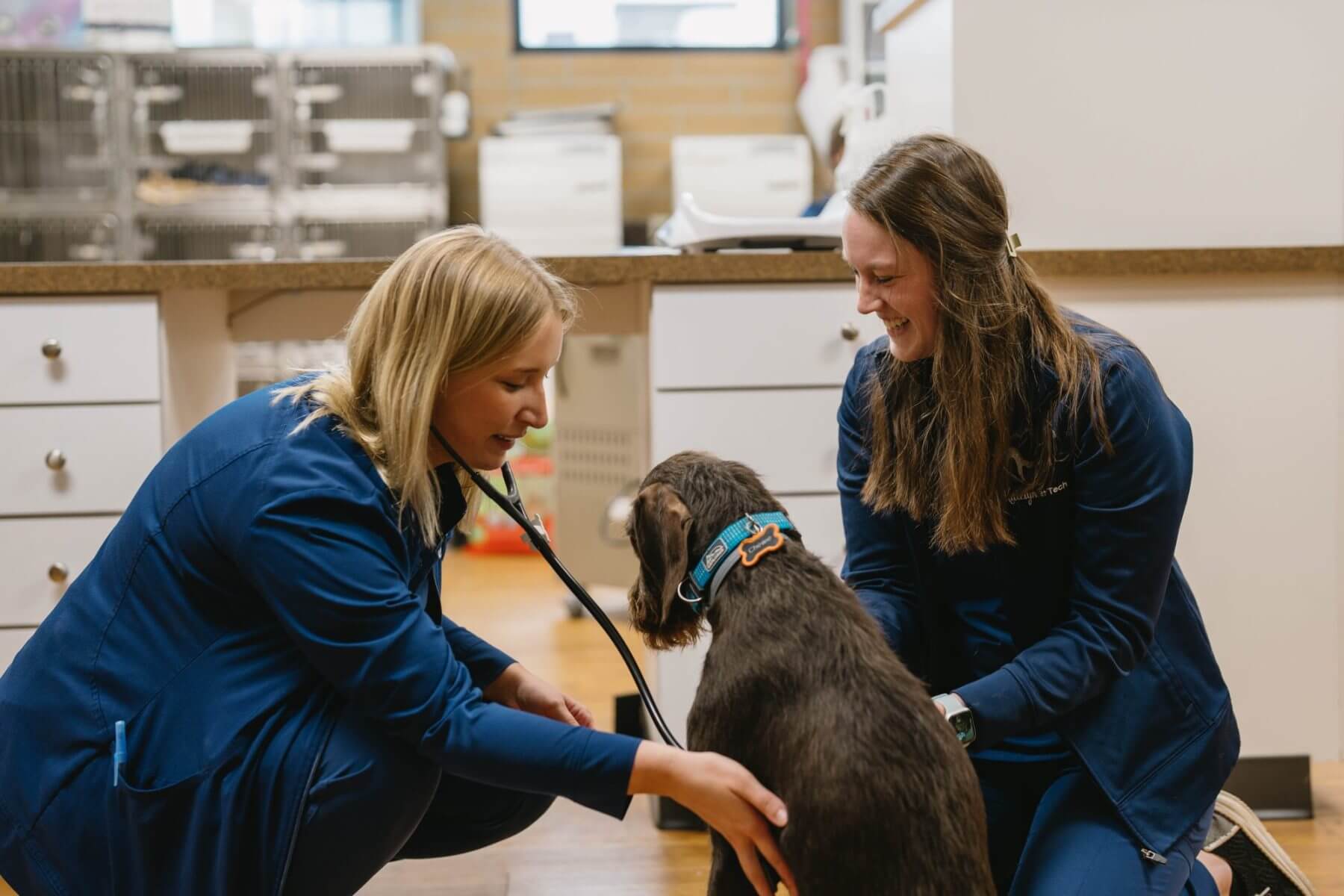
Heartworm disease is preventable. Puppies and kittens should be started on monthly heartworm prevention once they are 8 weeks old. All of our heartworm preventatives (ivermectin, milbemycin oxime, moxidectin, selamectin) belong to a class of drugs called macrocyclic lactones. Those medications are highly effective and very safe when given according to label inst uctions. At Blue Lake Animal Hospital, we will work to treat your pet and provide you with the knowledge and resources to take care of your pet while recovering from heartworm treatment in the event your pet becomes infected. If you believe heartworms have infected your pet, contact Blue Lake Animal Hospital immediately. We are happy to help.
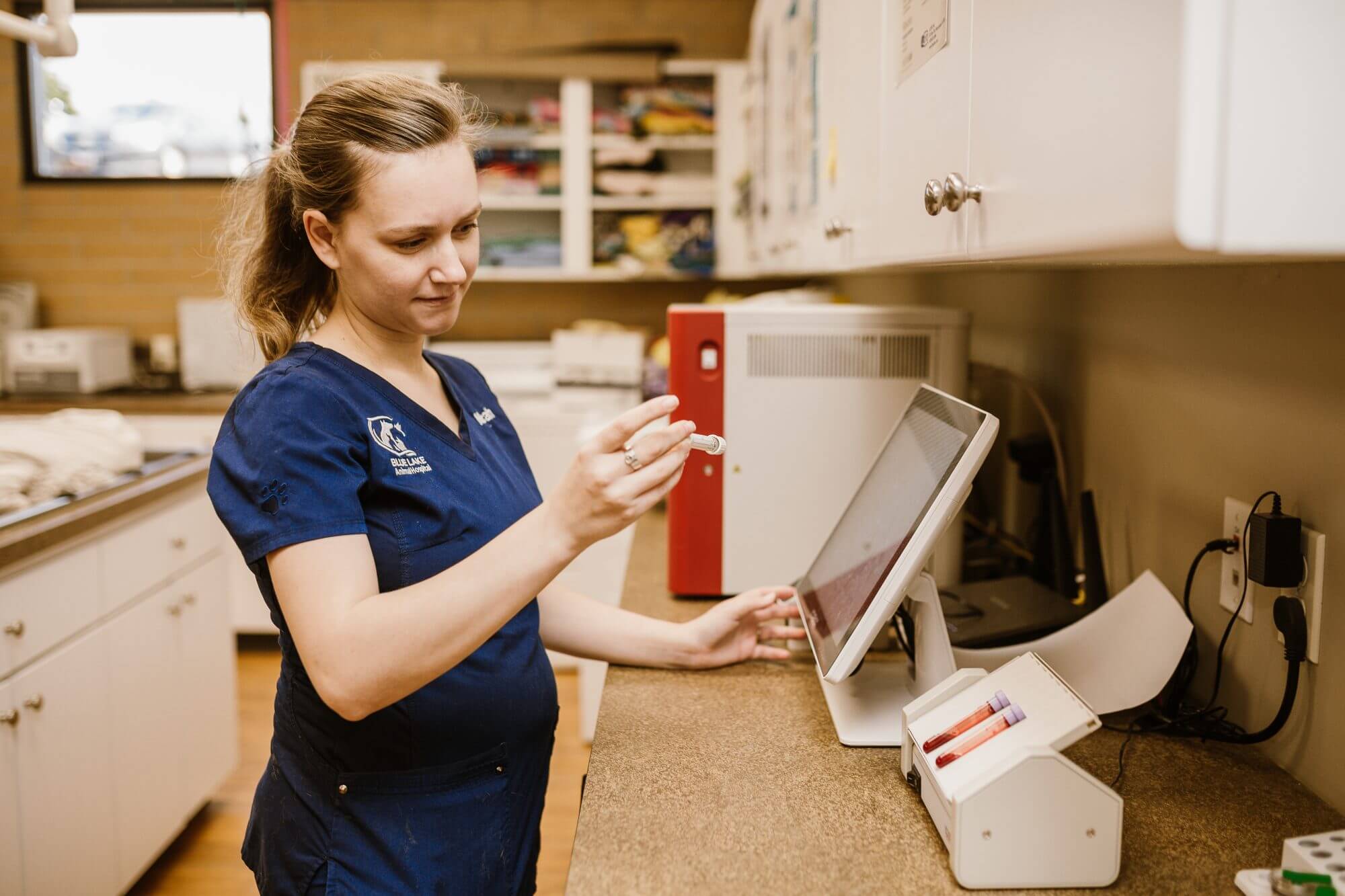
The heartworm larvae mature into adults about six months after the infected mosquito bite. Adult heartworms can grow up to 12 inches long and live for 5 to 7 years. They also create microfilaria, or baby heartworms, which circulate in the blood and can be ingested and spread by mosquitoes. We can test your pet for adult heartworms and microfilaria.
FAQs About Heartworm Prevention for Pets in Michigan
If I don't see mosquitoes, is my pet safe?
It just takes one mosquito bite to infect your pet, and mosquitoes can be found both indoors and outdoors at various times throughout the year. Prevention is crucial because of this consistent risk.
You say one of the symptoms is "no symptoms." What does that mean?
In the early stages of the disease, many pets show no outward signs of illness at all. This is one of the most dangerous aspects of heartworms: by the time symptoms like coughing, fatigue, or weight loss appear, significant and sometimes irreversible damage has already occurred. This is why annual testing is vital for early detection.
Why is prevention so much better than treatment?
There are three critical reasons:
- Safety: Heartworm prevention is safe and simple, while treatment for dogs is lengthy and intensive.
- Effectiveness: Prevention is highly effective, but treatment generally cannot reverse the damage already done to the heart and lungs.
- Cost: The cost of year-round prevention is a fraction of the cost of heartworm treatment.
When should I start my pet on heartworm prevention?
We recommend starting pets on a monthly heartworm preventative as soon as they are old enough, which is typically around 8 weeks of age. Getting them started early keeps them protected from their very first exposure to the outside world.
Conditions of Heartworm
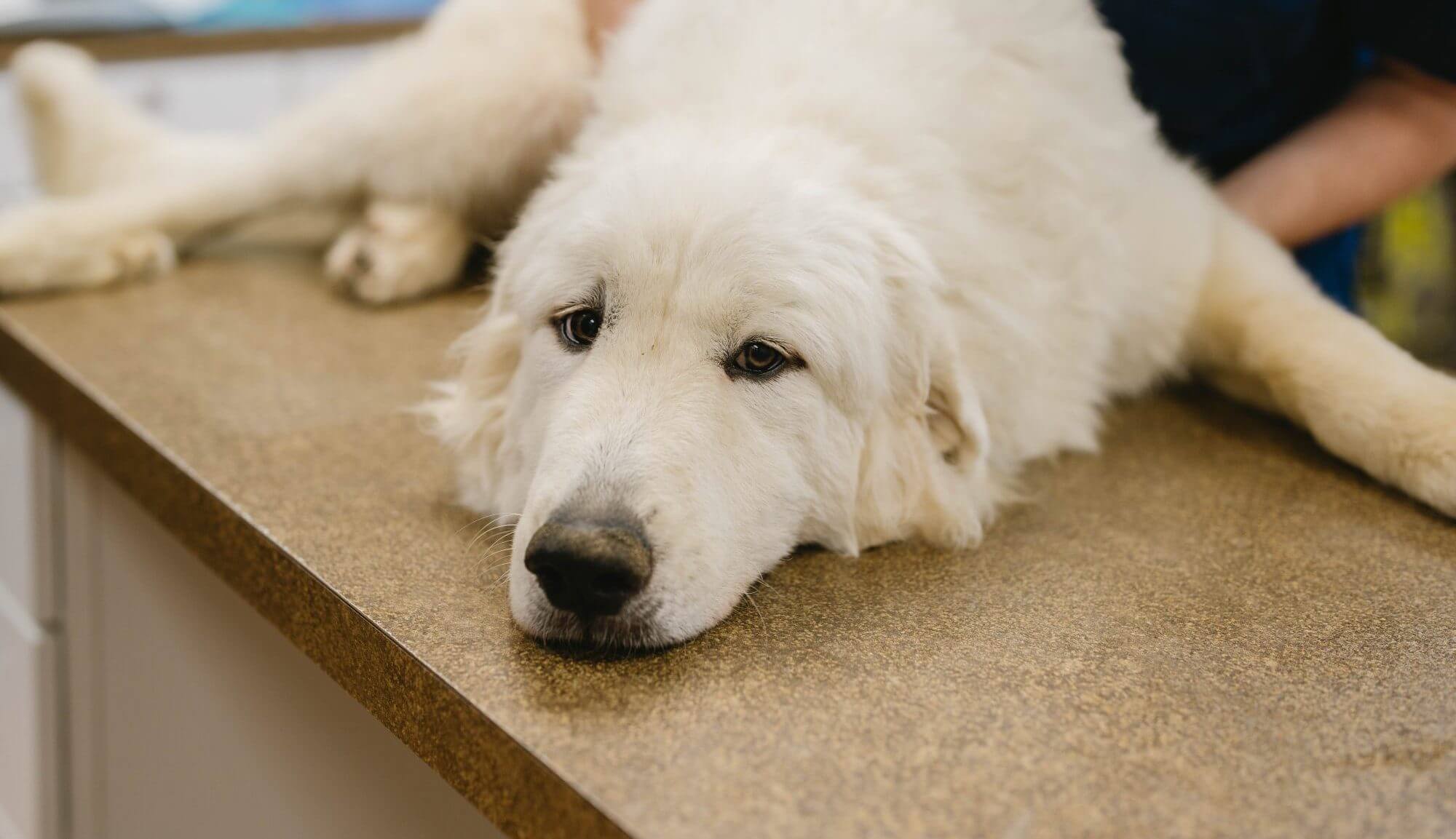
Heartworm disease is a serous and potentially fatal disease in dogs and cats. Symptoms include:
- No Symptoms
- Coughing
- Fatigue
- Exercise Intolerance
- Fainting
- Weight Loss
- Lung Disease
- Heart Failure
- Sudden Death
At Blue Lake Animal Hospital, we stage dogs that test positive for heartworm disease using blood work and chest X-rays. Treatment typically involves a month of doxycycline followed by three injections of Immiticide/Diroban (melarsomine). Treatment is expensive and can be tough on your pet. Some dogs have chronic changes from the heartworms that affect them for the rest of their life, even after treatment.
If you notice your pet beginning to cough, becoming sleepy and weak, you should consider visiting our team of veterinary professionals at Blue Lake Animal Hospital immediately. Prevention is recommended over treatment for heartworm disease any day!
Heartworm Prevention at
blue lake
animal hospital
The American Heartworm Society has found that transmission of heartworms does decrease in the winter, but due to the presence of warmer microenvironments in urban areas the risk of transmission of heartworms is never zero. We recommend keeping your pets on heartworm prevention year-round. At Blue Lake Animal Hospital, we are prepared to help your family with heartworm disease or prevention and any other health issues your pet may be facing. You do not need to face these challenges alone. We are here to help walk you through treatment and recovery. Contact us today to schedule an appointment at our clinic.
What We Do
Caledonia Veterinary Services

Preventive Medicine
Prevention is key to supporting your pet’s ongoing health. We devise an individualized strategy to keep your pet healthy and happy.

Surgical Services
We perform standard and specialized surgeries to address your pet’s health concerns, including spays, tumor removal, orthopedic surgeries, and more.

Vaccinations
Vaccinations are an important part of preventing communicable diseases. Keep your pet up-to-date on their vaccinations right at our office.

Dental Care
Dental health is essential to your pet’s overall wellness. Our dental services cover all of your pet’s oral health needs, from tooth extraction to cleaning.
Special Care for Pocket Pets
We understand the unique needs of pocket pets like hamsters, guinea pigs, and rabbits. Our team has the
expertise to provide the best care for these small companions, ensuring their health and happiness.

Reviews
Happy Customers
I cannot say enough good things about this veterinary clinic! They were able to squeeze my cat in on very short notice when he suddenly started having urinary accidents, and I was so stressed trying to figure out what was...

Kristen G.
Love this place for our American Bully. Dr. Heather and her team were absolutely amazing. We drove almost two hours to take our girl to see them numerous times. They performed reverse progesterone testing, and they also did the C-section...
A. W.
Amazing vets and very friendly staff. I have been bringing my animals here for years and wouldn't go anywhere else.

S. B.
Such an amazing place. I brought one of my pet rats here around a few years ago for an external tumor removal. They did such a great job and were very informative and caring. Fast forward to now and I...
B. C.
My breeder suggested Dr. Will and Dr. Heather. They have been amazing! I knew Louie was in great hands once I met them❤️
J. R.
I have absolutely enjoyed bringing my fur baby here. The staff is knowledgeable and friendly and wait times to get in are not ridiculous.
R. V.
We’re empty nesters and our dogs have filled the void, however I have found that my new children needed a higher level of care. This place cares, and very helpful when “Mom and I” are freaking out. We have been...
J. F.
Dr. Macey and staff are always kind and knowledgeable.
N. R.
We have been with Blue Lake Animal Hospital for years. Great, knowledgeable, and compassionate veterinarians whose priority is the welfare of your pet. Their staff is fantastic as well, from reception to assistants.
S. H.
Absolutely wonderful staff. Very caring and always try to fit us in when needed. Dr. Heather is so knowledgeable, kind and helpful. We are incredibly thankful their pricing is reasonable which makes regular maintenance much easier, especially right now.
K. G.


Get In Touch
Contact us

Mon – Fri: 8 am – 5:30 pm
Sat & Sun: Closed
Give Us A Call
The information on this website is for informational purposes only; it is deemed accurate but not guaranteed. It does not constitute professional advice. Testimonials are not a guarantee, warranty or prediction of what your experience with us will be. By providing contact information, users acknowledge and give explicit consent to be contacted via the methods of communication provided, including SMS. Message and data rates may apply. Message frequency may vary. Reply STOP to opt out.