Vaccinations
Protect Your Pet From Contagious Diseases
Keeping pets healthy takes conscientious caregivers who are willing to meet their animals’ needs. When it comes to preventing diseases before they occur, your pet relies on you to take proactive steps to defend their health, and a well-planned vaccination program is one of the most effective steps you can take.
Blue Lake Animal Hospital proudly offers pet owners customized vaccination programs to fit every pet’s needs and lifestyle. As a full-service veterinary clinic in Caledonia offering preventative, diagnostic, and surgical care, we provide the highest standard of veterinary services, paired with attentive customer service. We aim to be the veterinarians you can depend on for every need throughout your pet’s entire life.
Who We Help
Every pet arrives at their vaccine appointment with a different story. We can assist pet owners who:
- Just brought home a puppy, kitten, or other young companion and want their first vaccine series started on the right schedule.
- Adopted or rescued a pet with little or no paperwork and need to know what they’ve already received and what they still need.
- Need to update your pet’s vaccinations before their protection lapses.
- Are being asked for records by a boarding facility, groomer, daycare, or trainer before their pet can check in.
- Are expanding their pet’s world with more time outdoors, new animal friends, or upcoming travel that may call for different vaccines.
- Are not sure which vaccines their pet actually needs and want clear guidance on what’s essential and how often to vaccinate.
No matter the reason, keeping your pet up to date on vaccinations is one of the most reliable ways to protect their health and ensure they stay safe throughout every new adventure.
Why Are Vaccinations So Important?
Infectious diseases develop when pets come into contact with harmful viruses or bacteria. Some of these illnesses make your pet feel unwell for a few days, while others can become life-threatening. Diseases spread in several ways, depending on the organism involved:
- Direct pet-to-pet contact
- Contaminated objects, called fomites, such as bowls, leashes, or bedding
- Eating or drinking contaminated substances
- Airborne spread through coughing or sneezing
Pet vaccinations remain some of the most widely used and effective tools for protecting your pet against harmful diseases and infections. Our team is happy to help you understand when and why vaccines are recommended or required for your animals and provide your pets with these important preventative measures.
FAQs About Pet Vaccinations in Michigan
Why Don't You Take a "One-Size-Fits-All" Approach to Vaccinations?
Every pet is an individual, so we customize your pet’s vaccination program based on factors like their age, medical history, and unique lifestyle. An indoor cat faces very different risks than a dog who hikes, boards, and visits daycare. This tailored approach gives your pet the precise protection they need.
What are the most common side effects of a vaccine?
Most side effects are mild and short-lived. Your pet may feel tired, run a low fever, or have a smaller appetite for a day or so after their shots. Many pets have no reaction at all.
If I keep my dog away from other dogs, can they still get sick?
Yes. Some diseases spread through contaminated objects, such as shoes, bowls, or toys, while others travel through the air or through contaminated food and water. Even a dog with limited social contact can face exposure, which is why we still recommend core protection for most pets.
Do you offer vaccinations for rabbits or other pocket pets?
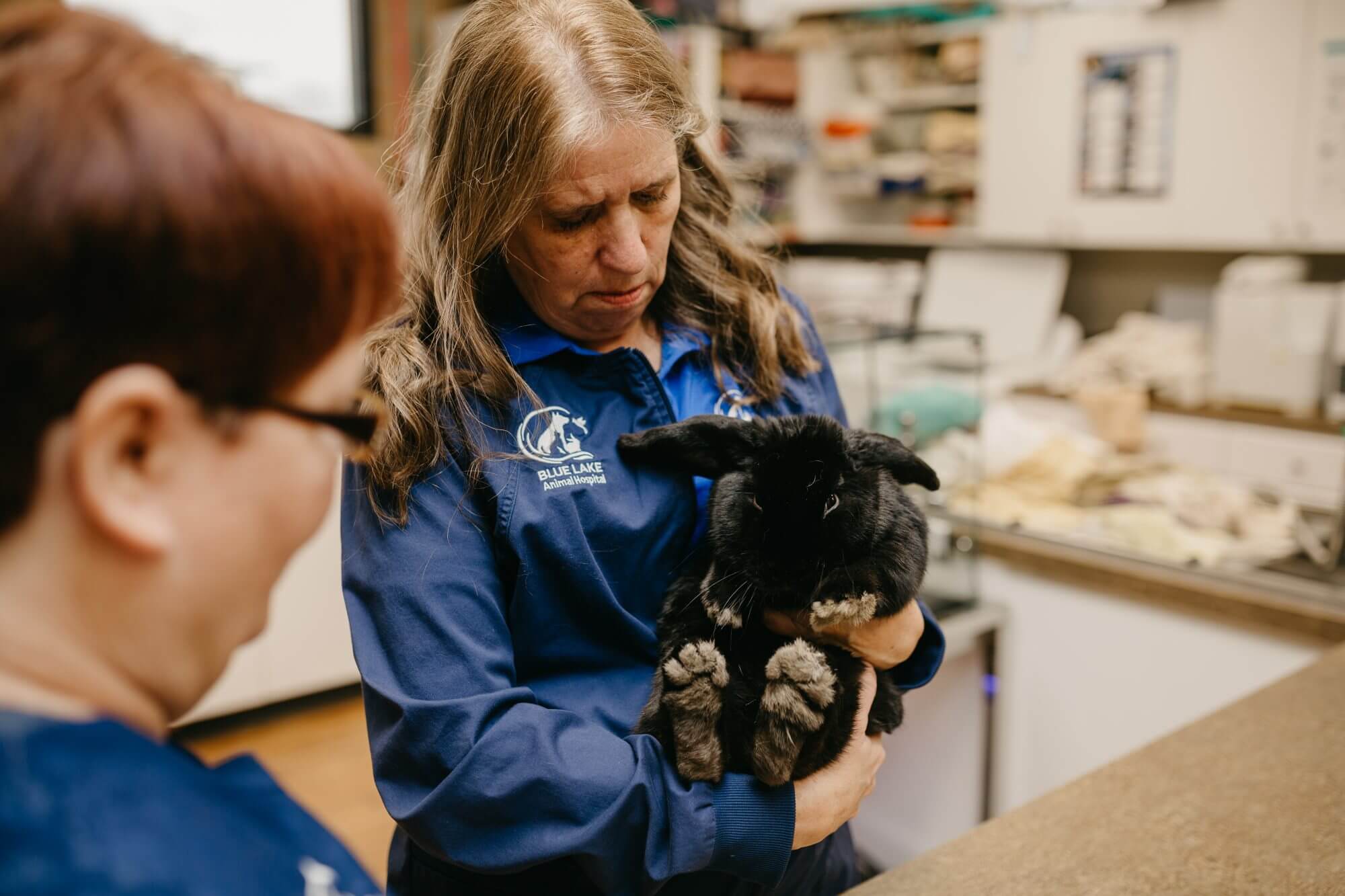
We care for a wide range of small and exotic animals, including rabbits, ferrets, guinea pigs, and chinchillas. Vaccine needs vary widely by species, and some pocket pets may not need routine vaccines at all. Our team will recommend the right preventative care for your specific pet.
I adopted an adult pet and have no idea about their vaccine history. What should we do?
Start with an exam. We’ll review any records you do have, assess your pet’s health, and talk about their lifestyle. From there, we’ll build a plan to get them safely up to date, and we can discuss whether titer testing makes sense for your pet.